Morrow County, Oregon, has recorded nitrate readings as high as 73 parts per million (ppm) in household wells—more than ten times the state's legal ceiling of
So Amazon isn’t directly adding anything, the nitrates are more concentrated over time due to basic evaporation as the water is recycled through for a while before it is replaced.
Well, it’s still an issue. They are taking in that contaminated water and using it to cool their machines via evaporation. Their processes are actively increasing the concentration of the contamination in the water they discharge. While they are not directly increasing the contamination, they are concentrating it.
Also, expect next weeks articles to be talking about the nitrate contamination of the produce that they are spraying that water on at the end of the process.
I just want to point out… From the original Rolling Stone article:
In 1992, DEQ measured an average nitrate concentration of 9.2 ppm across a cluster of wells pulling from the basin. By 2015, that average had risen 46 percent, to 15.3 ppm. For some wells, DEQ found nitrate levels nearly** as high as 73 ppm**, more than 10 times the state limit of 7 ppm.
When that tainted water moves through the data centers to absorb heat from the server systems, some of the water is evaporated, but the nitrates remain, increasing the concentration. That means that when the polluted water has moved through the data centers and back into the wastewater system, it’s even more contaminated, sometimes averaging as high as 56 ppm, eight times Oregon’s safety limit.
So the average back in 1992 was already above Oregon’s safety limit, but barely below the national limit. The water coming out of the datacenter now is lower than some of the base levels detected in some wells back in 2015.
Not saying Amazon isn’t a part of it. But it certainly seems like they’re not actually nearly as big a part as the article wants to make you believe. The Rolling Stone article is 90% about agriculture and drought adding to the increase in nitrate concentration, but that doesn’t get clicks.

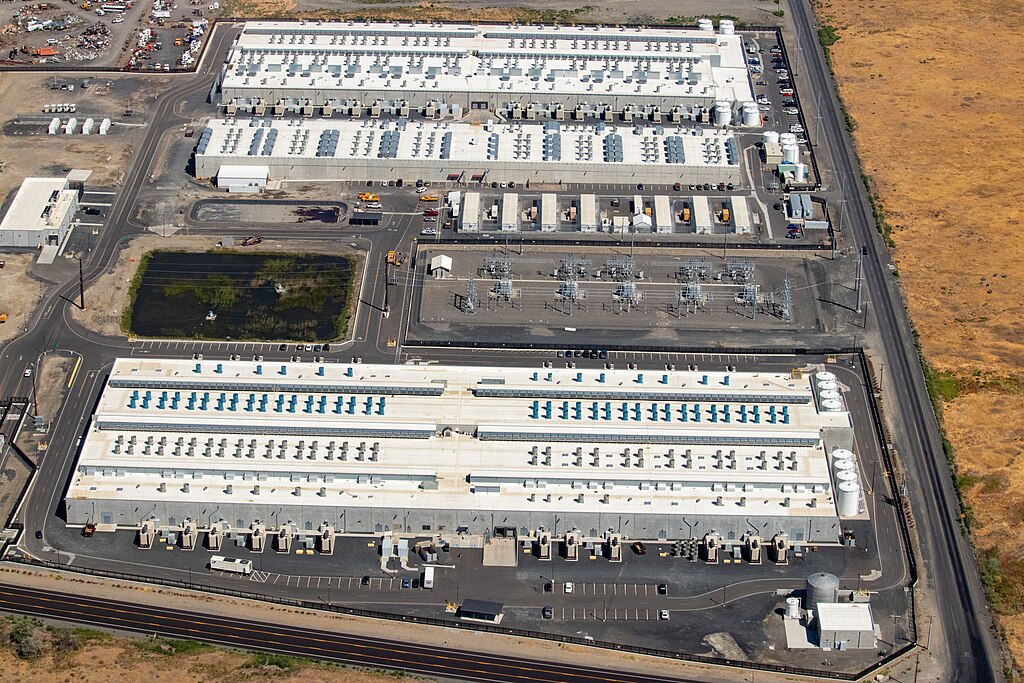
Well, it’s still an issue. They are taking in that contaminated water and using it to cool their machines via evaporation. Their processes are actively increasing the concentration of the contamination in the water they discharge. While they are not directly increasing the contamination, they are concentrating it.
Also, expect next weeks articles to be talking about the nitrate contamination of the produce that they are spraying that water on at the end of the process.
I just want to point out… From the original Rolling Stone article:
So the average back in 1992 was already above Oregon’s safety limit, but barely below the national limit. The water coming out of the datacenter now is lower than some of the base levels detected in some wells back in 2015.
Not saying Amazon isn’t a part of it. But it certainly seems like they’re not actually nearly as big a part as the article wants to make you believe. The Rolling Stone article is 90% about agriculture and drought adding to the increase in nitrate concentration, but that doesn’t get clicks.