At some point criminal liability just vanishes when enough money happens. If I sell a robot that does a crime I go to jail. If me and another guy build a robot that does crimes then we are both going to jail. At some point no one goes to jail because laws just sorta don’t apply to certain entities.
If a person does a crime on BEHALF of those entities, they are going to jail. But if the entity itself does a crime, well suddenly there aren’t criminal penalties anymore.
Which is why we shouldn’t let those entities do things like operate antonymous vehicles in the street.
Assuming that the facts in the article are true (I’m more inclined to believe Waymo than Tesla)… it hit the child at 6 mph after “hard braking” from 17 mph when the child popped out unseen from behind a tall SUV. That doesn’t seem terribly reckless to me?
I’m all for a conversation about responsibility when dealing with autonomous systems, as well as one on regulating self-driving cars before they’re exposed to the general public (much less small children), but this doesn’t seem like the egregious case to suddenly come to some kind of global or national reckoning.
The event described is one with cards tightly packed on both sides and double parked with kids actively loading and unloading, 17 mph would feel awful fast to a human driver is that situation.
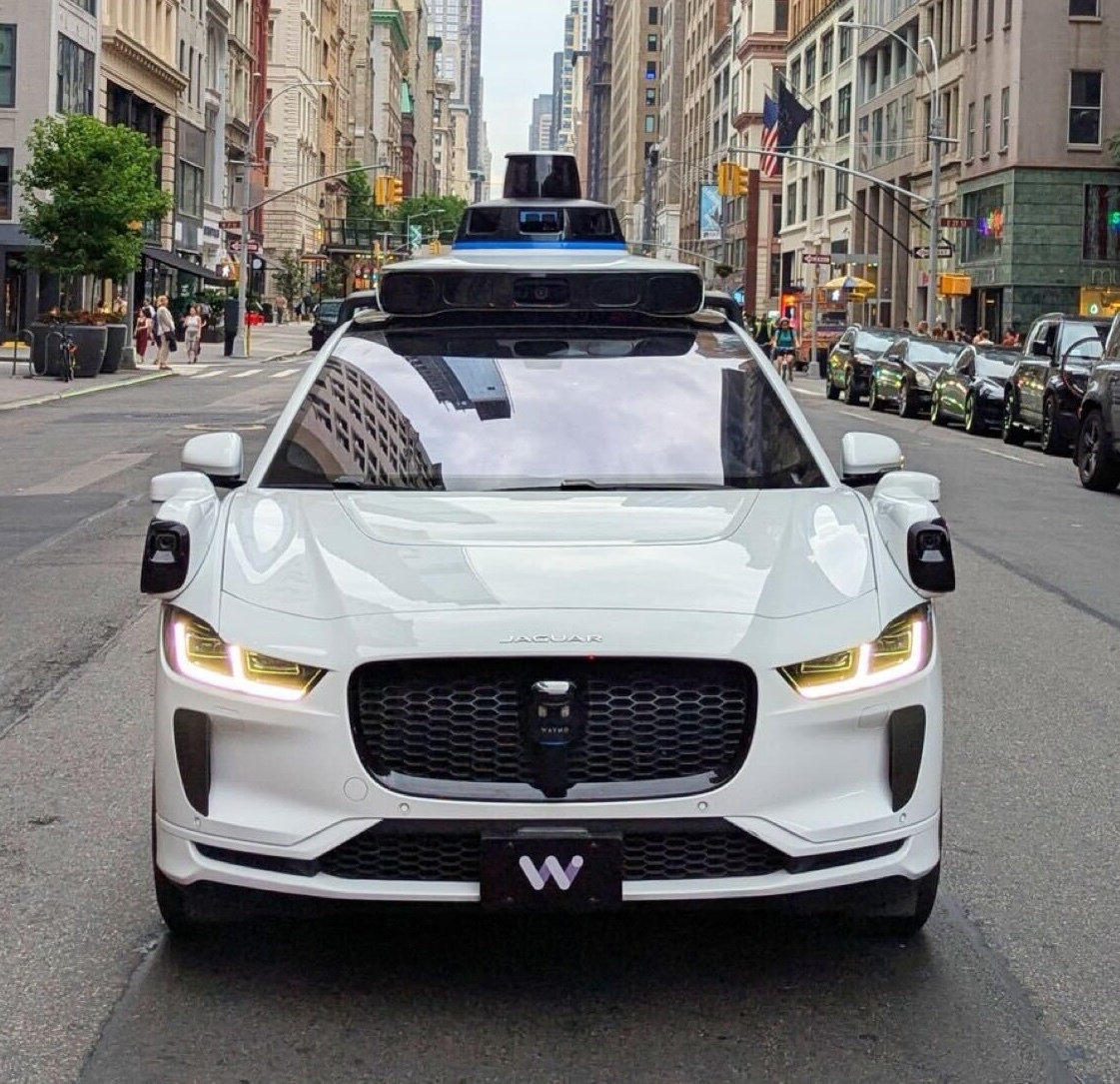

And now we get to figure out how a driverless vehicle is held responsible for reckless conduct.
well if I build a robot and it runs over my neighbor they dont charge the robot
Right. if you built a robot and it killed someone you would go to jail. Do you think anyone at Waymo is going to jail if their car kills someone?
I do not sir
That’s like saying CEO of GM should go to jail for every asshole who runs over someone with his Silverado because it has a 16ft front blind spot.
Waymo is liable in civil court. The NTHSA should investigate but they got DOGEd.
Thank you. That is the exact point I am making.
At some point criminal liability just vanishes when enough money happens. If I sell a robot that does a crime I go to jail. If me and another guy build a robot that does crimes then we are both going to jail. At some point no one goes to jail because laws just sorta don’t apply to certain entities.
If a person does a crime on BEHALF of those entities, they are going to jail. But if the entity itself does a crime, well suddenly there aren’t criminal penalties anymore.
Which is why we shouldn’t let those entities do things like operate antonymous vehicles in the street.
he should go to jail for that.
Assuming that the facts in the article are true (I’m more inclined to believe Waymo than Tesla)… it hit the child at 6 mph after “hard braking” from 17 mph when the child popped out unseen from behind a tall SUV. That doesn’t seem terribly reckless to me?
I’m all for a conversation about responsibility when dealing with autonomous systems, as well as one on regulating self-driving cars before they’re exposed to the general public (much less small children), but this doesn’t seem like the egregious case to suddenly come to some kind of global or national reckoning.
The event described is one with cards tightly packed on both sides and double parked with kids actively loading and unloading, 17 mph would feel awful fast to a human driver is that situation.