Morrow County, Oregon, has recorded nitrate readings as high as 73 parts per million (ppm) in household wells—more than ten times the state's legal ceiling of
As the comments at the provided link point out… this is disingenuous… at best.
The original Rolling Stone article this is based on… says the vast majority of the increase in nitrate levels is from expanding agriculture in the area.
The massive inputs of fertilizer to grow crops and feed for the animals came at a price: the contamination of the Lower Umatilla Basin. In 1992, DEQ measured an average nitrate concentration of 9.2 ppm across a cluster of wells pulling from the basin. By 2015, that average had risen 46 percent, to 15.3 ppm. For some wells, DEQ found nitrate levels nearly as high as 73 ppm, more than 10 times the state limit of 7 ppm.
And…
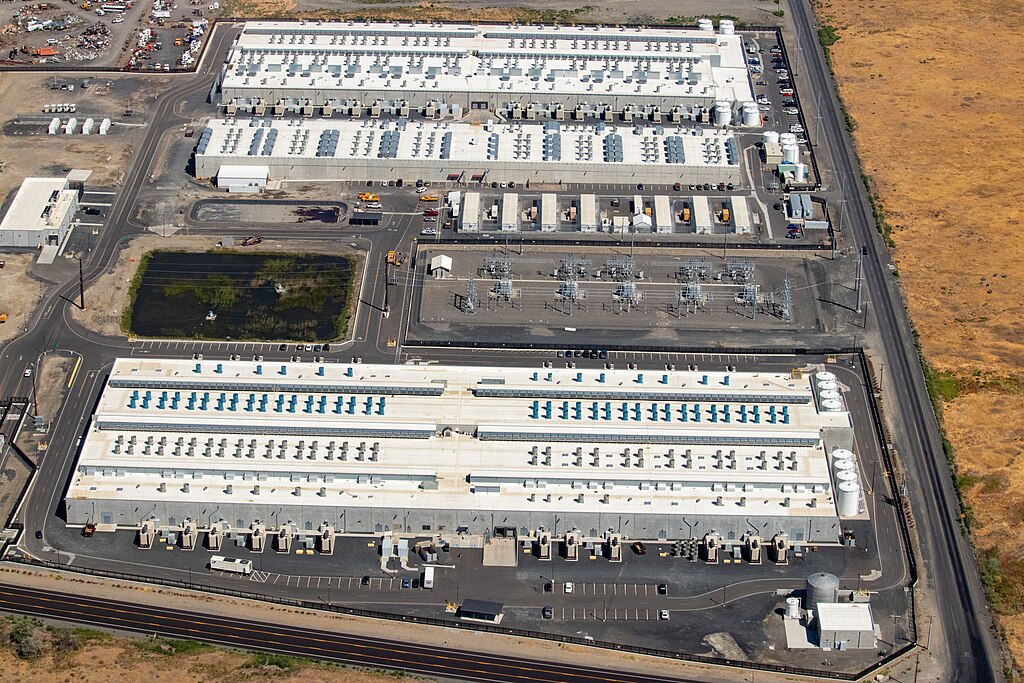
As the underground aquifer became tainted with more nitrates, even the ostensibly clean water that the Port pulled from the aquifer’s deepest wells — which it used to service its large industrial customers like Amazon — became polluted. Soon, Amazon was using water to cool its data warehouses with nitrates as high as 13 ppm — above the federal and state limits.
When that tainted water moves through the data centers to absorb heat from the server systems, some of the water is evaporated, but the nitrates remain, increasing the concentration. That means that when the polluted water has moved through the data centers and back into the wastewater system, it’s even more contaminated, sometimes averaging as high as 56 ppm, eight times Oregon’s safety limit.
So Amazon isn’t directly adding anything, the nitrates are more concentrated over time due to basic evaporation as the water is recycled through for a while before it is replaced.
Amazon isn’t the source of the contaminants.
So yes, it is “tied” to the spike, because they are using already contaminated water from the area and evaporation exists. Everyone’s water use is increasing this issue unless they’re actively filtering nitrates, which no one does. Normally that would be handled at a municipal level, but these are mostly local wells where that’s not part of the system. Amazon is just a big company, and uses a lot of water so it’s footprint is larger. But a fraction of the water use overall, and definitely compared to the agriculture adding the nitrates in the first place.
So Amazon isn’t directly adding anything, the nitrates are more concentrated over time due to basic evaporation as the water is recycled through for a while before it is replaced.
Well, it’s still an issue. They are taking in that contaminated water and using it to cool their machines via evaporation. Their processes are actively increasing the concentration of the contamination in the water they discharge. While they are not directly increasing the contamination, they are concentrating it.
Also, expect next weeks articles to be talking about the nitrate contamination of the produce that they are spraying that water on at the end of the process.
I just want to point out… From the original Rolling Stone article:
In 1992, DEQ measured an average nitrate concentration of 9.2 ppm across a cluster of wells pulling from the basin. By 2015, that average had risen 46 percent, to 15.3 ppm. For some wells, DEQ found nitrate levels nearly** as high as 73 ppm**, more than 10 times the state limit of 7 ppm.
When that tainted water moves through the data centers to absorb heat from the server systems, some of the water is evaporated, but the nitrates remain, increasing the concentration. That means that when the polluted water has moved through the data centers and back into the wastewater system, it’s even more contaminated, sometimes averaging as high as 56 ppm, eight times Oregon’s safety limit.
So the average back in 1992 was already above Oregon’s safety limit, but barely below the national limit. The water coming out of the datacenter now is lower than some of the base levels detected in some wells back in 2015.
Not saying Amazon isn’t a part of it. But it certainly seems like they’re not actually nearly as big a part as the article wants to make you believe. The Rolling Stone article is 90% about agriculture and drought adding to the increase in nitrate concentration, but that doesn’t get clicks.
At the end of the day, Amazon is dumping considerably worse quality water back into the waste systems.
The very least they could do, given they’re increasing the price of water AND powee in areas where their server parks are, is to install a filtration system to clean the wastewater and reduce the amount of nitrates, at least to the level of input. Hell it would even be worth it for Amazon as on the long run they could sell those nitrates filtered out, to farmers.
Another related article said the Amazon portion is approximately 0.1% of the total nitrate increase.
Theyre doing fuck all to make the issue worse. But they’re the big bad datacenter, so they get the blame. Facts are inconvenient, make Amazon pay for the issue because Amazon bad.
Not just that “Amazon bad” but they’re being subsidised to ruin the local ecology, drive up prices for residential consumers, who won’t see any benefit from the server farm.
Amazon is given way too much leeway when it comes to their server infrastructure. I get that that infrastructure is vital - I myself use AWS, my work extensively uses AWS services wherever possible, 2/3 of the internet relies on it in some form.
The problem is that Amazon is profiting off of it like there’s no tomorrow while doing fuck-all for the surroundings of their server farms, or the quality of life for their workers and so on. Stop giving Bezos tax breaks, stop subsidising Amazon’s crap, make them pay for their fair share is all most people want.
Cool, agreed. They don’t pay nearly their fair share.
Yet here they’re being blamed for something that seems isn’t their fault. They’re not actively working to fix the issue, but considering they’re a tiny fraction (looks like only ~0.1% impact in the overall area according to some articles) of the cause, the articles attacking them seen a bit ridiculous. Amazon needs to pay for the things they do. Blaming them for shit that isn’t their fault just means losing credibility.
The Amazon datacenter is concentrating the nitrates more in the water that they use, yes, that is the nature of how the water usage works and evaporates. But the nitrate concentration was already above Oregon state limits in 1992, and some wells in 2015 had ~20% higher readings than the water coming out of the datacenter now a decade after that. That certainly doesn’t seem to correspond to the datacenter being the major contributor. And the original article says as much, saying it’s primarily from agriculture and drought.

As the comments at the provided link point out… this is disingenuous… at best.
The original Rolling Stone article this is based on… says the vast majority of the increase in nitrate levels is from expanding agriculture in the area.
And…
So Amazon isn’t directly adding anything, the nitrates are more concentrated over time due to basic evaporation as the water is recycled through for a while before it is replaced.
Amazon isn’t the source of the contaminants.
So yes, it is “tied” to the spike, because they are using already contaminated water from the area and evaporation exists. Everyone’s water use is increasing this issue unless they’re actively filtering nitrates, which no one does. Normally that would be handled at a municipal level, but these are mostly local wells where that’s not part of the system. Amazon is just a big company, and uses a lot of water so it’s footprint is larger. But a fraction of the water use overall, and definitely compared to the agriculture adding the nitrates in the first place.
Well, it’s still an issue. They are taking in that contaminated water and using it to cool their machines via evaporation. Their processes are actively increasing the concentration of the contamination in the water they discharge. While they are not directly increasing the contamination, they are concentrating it.
Also, expect next weeks articles to be talking about the nitrate contamination of the produce that they are spraying that water on at the end of the process.
I just want to point out… From the original Rolling Stone article:
So the average back in 1992 was already above Oregon’s safety limit, but barely below the national limit. The water coming out of the datacenter now is lower than some of the base levels detected in some wells back in 2015.
Not saying Amazon isn’t a part of it. But it certainly seems like they’re not actually nearly as big a part as the article wants to make you believe. The Rolling Stone article is 90% about agriculture and drought adding to the increase in nitrate concentration, but that doesn’t get clicks.
At the end of the day, Amazon is dumping considerably worse quality water back into the waste systems.
The very least they could do, given they’re increasing the price of water AND powee in areas where their server parks are, is to install a filtration system to clean the wastewater and reduce the amount of nitrates, at least to the level of input. Hell it would even be worth it for Amazon as on the long run they could sell those nitrates filtered out, to farmers.
Another related article said the Amazon portion is approximately 0.1% of the total nitrate increase.
Theyre doing fuck all to make the issue worse. But they’re the big bad datacenter, so they get the blame. Facts are inconvenient, make Amazon pay for the issue because Amazon bad.
Not just that “Amazon bad” but they’re being subsidised to ruin the local ecology, drive up prices for residential consumers, who won’t see any benefit from the server farm.
Amazon is given way too much leeway when it comes to their server infrastructure. I get that that infrastructure is vital - I myself use AWS, my work extensively uses AWS services wherever possible, 2/3 of the internet relies on it in some form.
The problem is that Amazon is profiting off of it like there’s no tomorrow while doing fuck-all for the surroundings of their server farms, or the quality of life for their workers and so on. Stop giving Bezos tax breaks, stop subsidising Amazon’s crap, make them pay for their fair share is all most people want.
Cool, agreed. They don’t pay nearly their fair share.
Yet here they’re being blamed for something that seems isn’t their fault. They’re not actively working to fix the issue, but considering they’re a tiny fraction (looks like only ~0.1% impact in the overall area according to some articles) of the cause, the articles attacking them seen a bit ridiculous. Amazon needs to pay for the things they do. Blaming them for shit that isn’t their fault just means losing credibility.
The Amazon datacenter is concentrating the nitrates more in the water that they use, yes, that is the nature of how the water usage works and evaporates. But the nitrate concentration was already above Oregon state limits in 1992, and some wells in 2015 had ~20% higher readings than the water coming out of the datacenter now a decade after that. That certainly doesn’t seem to correspond to the datacenter being the major contributor. And the original article says as much, saying it’s primarily from agriculture and drought.