

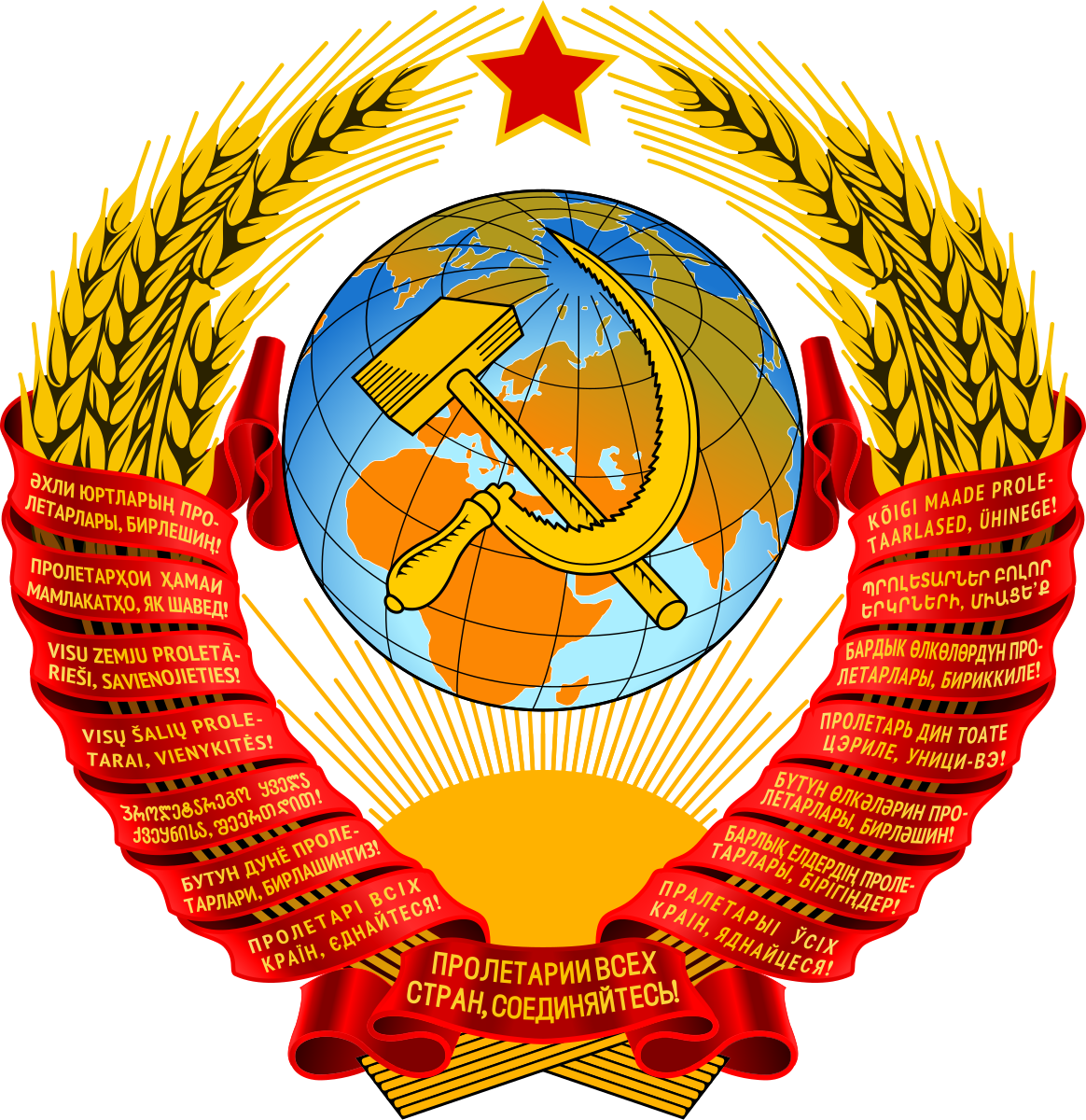
The Soviet system used psychiatry as a weapon by diagnosing political opponents as mentally ill in order to confine them as patients instead of trying them in court. Anyone who challenged the state such as dissidents, writers, would-be emigrants, religious believers, or human rights activists could be branded with fabricated disorders like sluggish schizophrenia. This turned normal political disagreement into supposed medical pathology and allowed the state to present dissent as insanity.
Once labeled in this way, people were placed in psychiatric hospitals where they could be held for long periods without legal protections. Harsh treatments were often used to break their resolve. The collaboration between state security organs and compliant psychiatrists created a system where political imprisonment was disguised as medical care, letting the Soviet regime suppress opposition while pretending it was addressing illness rather than silencing critics.
France - April to August 1906 - Fressenneville - The locksmiths’ strike: The town square and the castle burned down (Begun in April 1906, this movement lasted 5 months. The workers at the Riquier locksmiths’ factory wanted employers’ organizations to respect union rights. The strike reached a rare level of violence in the face of the employers’ intransigence and repression. The burning of Édouard Riquier’s castle was a prime example.)