

- cross-posted to:
- hackernews
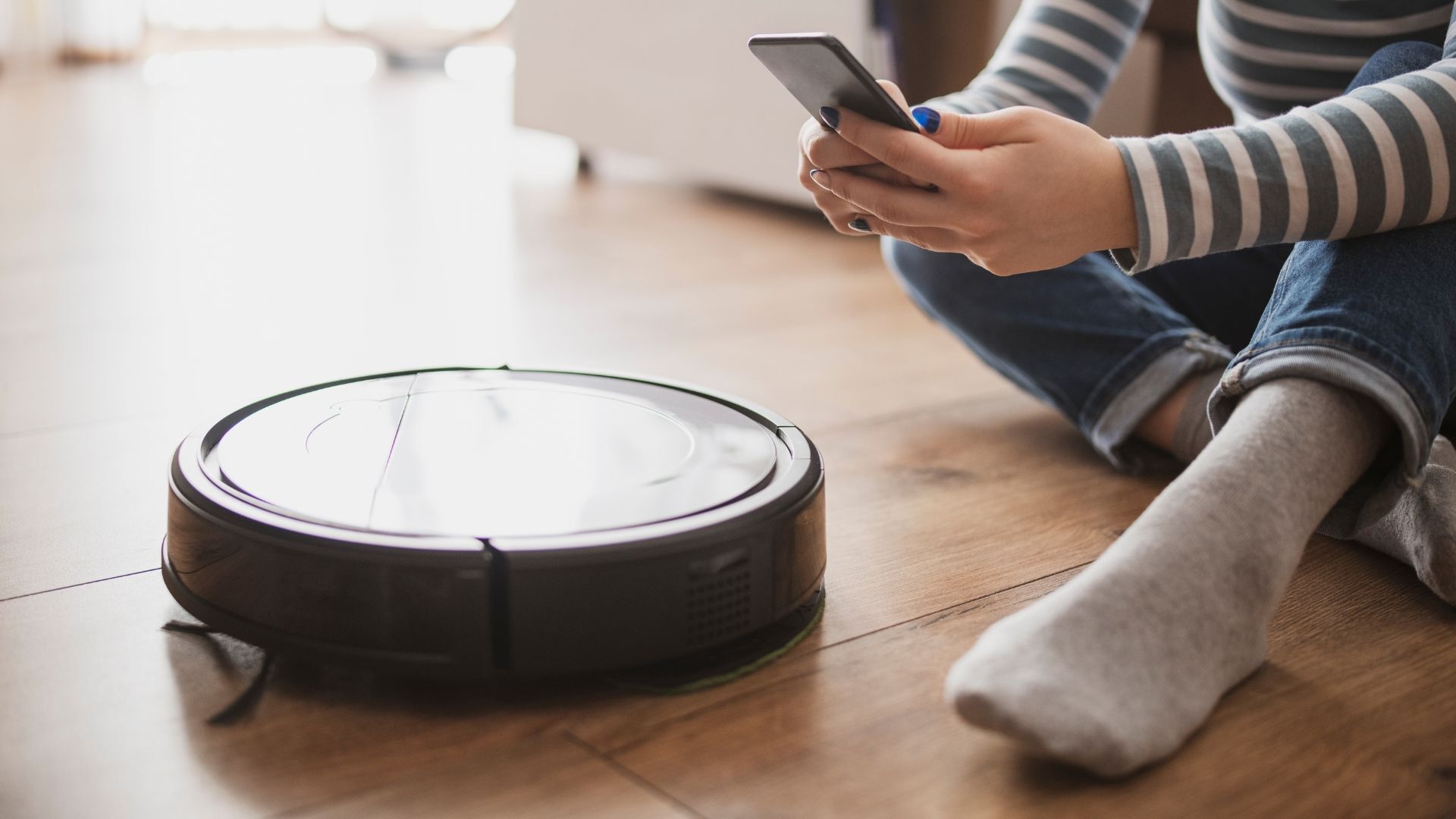
An engineer got curious about how his iLife A11 smart vacuum worked and monitored the network traffic coming from the device. That’s when he noticed it was constantly sending logs and telemetry data to the manufacturer — something he hadn’t consented to. The user, Harishankar, decided to block the telemetry servers’ IP addresses on his network, while keeping the firmware and OTA servers open. While his smart gadget worked for a while, it just refused to turn on soon after. After a lengthy investigation, he discovered that a remote kill command had been issued to his device.
As a layman, can someone explain what the ramifications of smart devices sharing your data is. I know it’s bad, but I don’t understand why it’s bad and how it’s used against you.
deleted by creator
That’s an interesting article. The biggest insight is that it can go around hippa for example.
You might get some snarky comments, but the way I envision it is that the fuller of a picture companies can get of you (when you’re running a vacuum, when you’re driving, when your lights are on and off, etc.) the more data they have to try and run predictive analytics on your behavior and that can be used in a variety of ways that may or may not benefit you. At this point it’s mostly just to get you to buy things they think you’ll buy, but what happens when your profile starts to match up with someone who commits crimes? Maybe you get harassed by the authorities a little more often? Generally the lack of consent around how the data is collected and how it’s used is the problem most people have.
I’d dismiss this as fanciful ten years ago. But we’ve got ICE agents staking out grocery stores and flea markets looking for anyone passably “illegal”. Palantir seems to have made a trillion dollar business model out of promising an idiot president the ability to Minority Report crime. And then you’ve got the Israeli’s Lavendar AI and “Where’s Daddy” programs, intended to facilitate murdering suspects by bombing the households of relatives.
I guess it wouldn’t hurt to be a little bit more paranoid.
A detailed room-mapping scan is basically a wealth report disguised as vacuum telemetry: square footage, room count, layout complexity, “bonus” spaces like offices or nurserie; all of it feeds straight into socioeconomic profiling. And once companies have that floor plan, they’re not just storing it; they’re monetizing it, feeding it into ad networks, data brokers, and pricing algorithms that adjust what you see (=and what you pay) based on the shape of your living space.
And a mapped floor plan also quietly exposes who lives in the home, how they move, and what can be inferred from that.
Isn’t this information already available? Like if I’m house shopping I know how many rooms the house has and the area of the house.
You know rough dimensions you don’t have a robot going through and literally mapping every item on the floor, high traffic areas , details about amount of people that live there, possible pets, and then tying it to your IP and then selling that to advertisers.
The crazy thing isn’t that they do that it’s that you have to pay money for an item that then does that without your permission and if you attempt to stop it they brick your item that you paid hundreds of dollars for
I don’t know for certain if they sell your data (but they probably do) but you can use a wifi router and how it reflects in a room you can fully map a room with enough accuracy that you can tell what a person is typing on a keyboard which is kind of terrifying if you think about it
How is that information used?
They sell it, some of it is sold to advertisers but recently companies like palantir have been buying these large collections of data, de anonymizing it and then they can use it to develop profiles about people which they can then sell to the government
And that’s what they admit to doing
Once your data is out there it’s essentially impossible to get it back
Property records won’t tell companies how many people are living at a unit, who they are, how they use the space, when they use the space, how they arrange the furniture, etc., and they don’t provide live data streams from your house.
I hadn’t really thought about how the furniture is arranged. I wonder if that’s something they sell to designers so they can then see what’s trending. Some of them don’t use cameras, but use lidar, but still getting an overall shape of things would seem useful to a designer.
Or to law enforcement so they know what they’re walking into layout-wise before they raid a house
oh ya, i bet they’d pay a shit ton for that if available.
One aspect to consider is exactly what data these devices are exfiltrating from your network. You usually can’t see the contents of the telemetry sent, but given that a LOT of smart devices have cameras and/or microphones, do you really trust that your IoT devices are not sending back audio and or video recordings of the inside of your house?
I’m sure theres more than a few programmers here that secretly work on crap like this at work.
Email me the blueprints to your house, your address, name, and your favorite hobbies and I will tell you the answer.
The answer to all your questions is “fried green tomatoes”
If they brick your device for wanting privacy, why should you trust them?