ALL THESE FLORA ARE YOURS – EXCEPT FERNS. ATTEMPT NO CULTIVATING THEM.
What’s with the weird italics and random faint superscript letters? I’m not well versed on that sort of thing, but linguistically it makes no sense that I can see…? I assume some sort of index or something for the superscript but it also has numerical superscript…?
The superscripts are almost certainly references to translators’ footnotes.
The random italicization I’m less sure about, but it seems to primarily be on words that may not have a direct Hebrew counterpart?
More literal translations of bibles are often like you’re referencing and are really interesting to read when you approach from a scholarly direction.
Take them with a grain of salt and the historian/translators footnotes and see what you take from it. Lots of good thoughts and prayers and wildly different than what the Christian right has championed lately.
Still a fantasy novel though
Just hopping in to suggest the NASB translation to anyone reading your comment. Super literal and requires a lot of studying the footnotes.
Get one without some theologian rambling about his opinion for literally half the book (lookin at you, John MacArthur).
The numbers are verse numbers, used for citing specific passages, e.g. “Ezekiel 23:20”.
I would assume that the letters are annotations, and that this is likely an academic Bible.
Does that include the 8 up by “moves” in the preceding paragraph?
I assume the bolded superscript numbers are verse numbers, I know at least that much of biblical format, but then there’s that 8.
So there’s like 3+ types of annotations and… that’s confusing…
translation notes I’m guessing
“that yields seeds” could be “which yields seeds” or “doth yield seeds” or “yielding seeds” or “seed yielding” etc
So technically who is to blame for the fig tree that bore no fruit as mentioned in Mark 11:12–25 and Matthew 21:18–22?
In the Apocrypha, childhood Jesus got mad at another kid and turned him into a tree.
Now, I’m not saying they’re the same tree. But I am saying I can do whatever I want in my own headcanon.2 And when Jesus saw what was done, he was wroth and said unto him: O evil, ungodly, and foolish one, what hurt did the pools and the waters do thee? behold, now also thou shalt be withered like a tree, and shalt not bear leaves, neither root, nor fruit.
Jesus really said fuck you to that one kid in particular
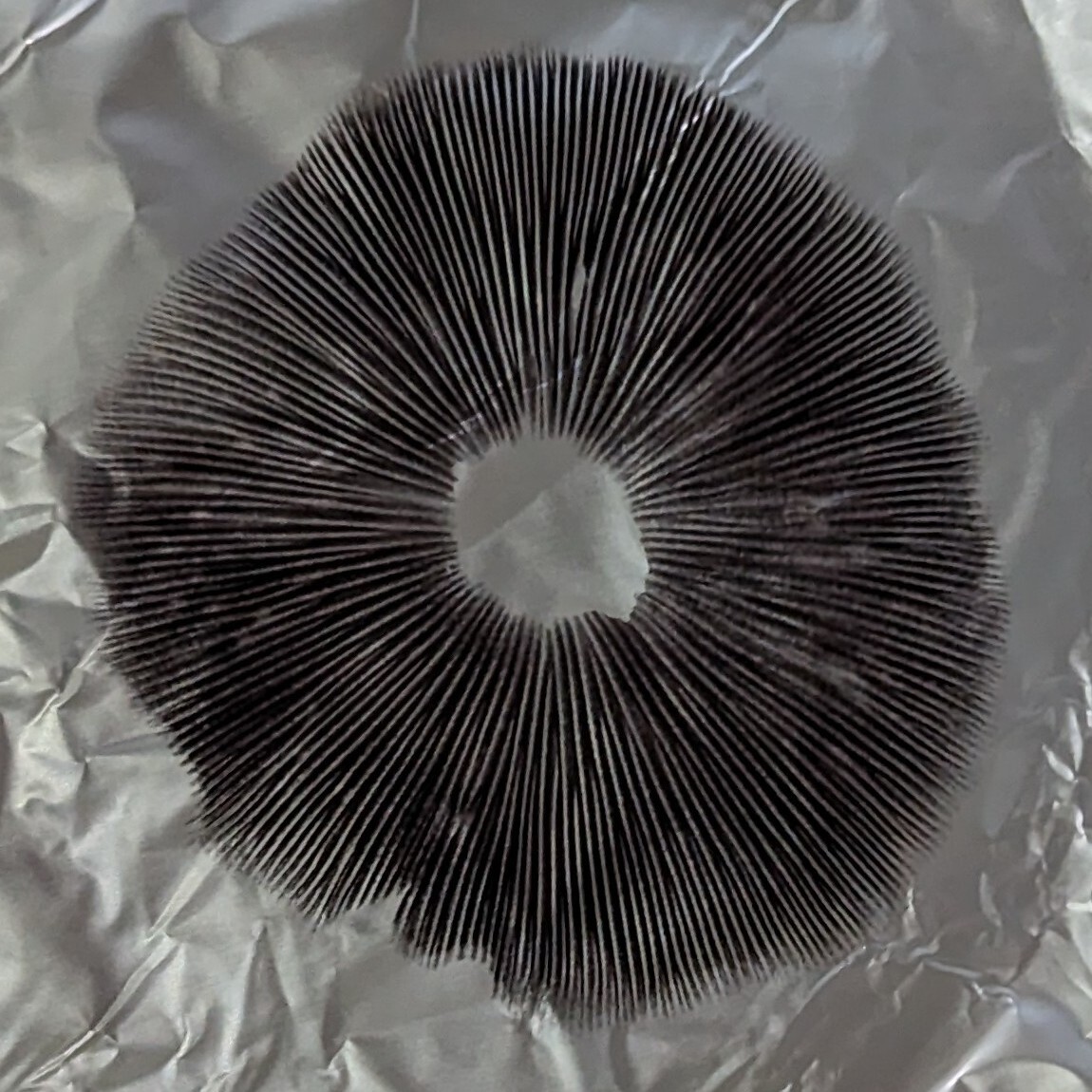
Would this not also apply to mushrooms?
Not a plant, and the penis-looking part above ground is called a fruiting body so therefore it does bear fruit
not exactly, we say fruiting bodies to be easier to describe, but you can’t botanically be a fruit without being a plant. plus spores aren’t seeds. fungi are more closely related to us than fruit!
i wonder if any distinction was made that long ago too though, or if mushrooms would’ve been included in the original context 🤔
Who called it that? Also are spores the same as seeds?
Eat weed, tis holy and god-ordained